
How to Manage and Avoid Probate Delays
By Ladd Firm Editorial Team · Updated 2026-07-27
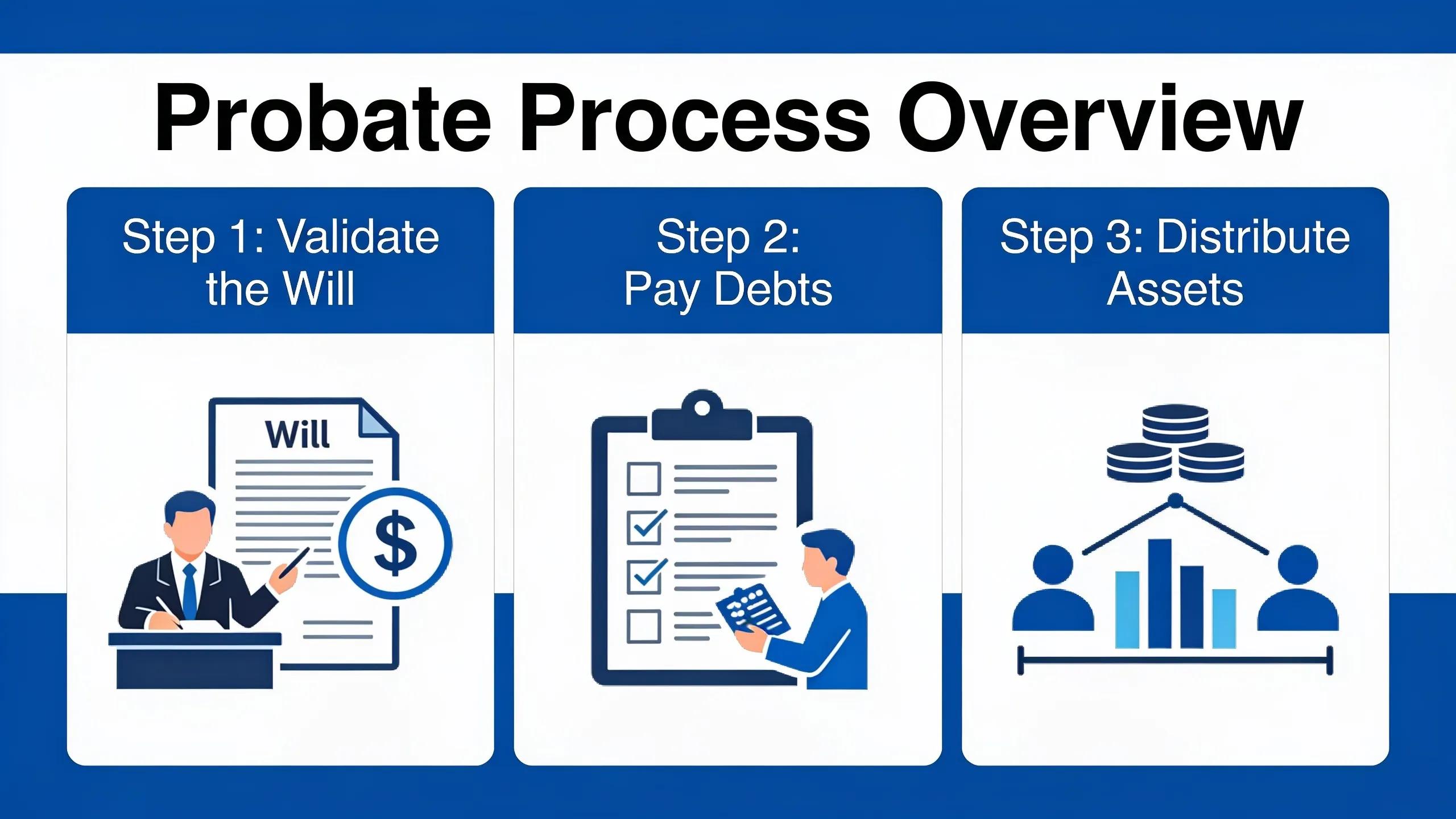
Executors keep probate moving by filing documents on time, getting estate records organized early, and staying in touch with beneficiaries along the way. When deadlines slip, paperwork piles up, or heirs can’t agree, proceedings can stall for months. The Ladd Firm has spent years guiding personal representatives across Mobile and Baldwin County through each filing requirement, so administration keeps moving and families aren’t left waiting on the court any longer than necessary.
Key Takeaways
-
Probate timelines extend from several months to years, requiring early planning to minimize beneficiary stress.
-
Proper asset distribution, debt settlement, and legal requirement fulfillment prevent administrative bottlenecks during probate.
-
Estate protection strategies reduce delays by addressing probate complications before the legal process begins.
-
Families experience prolonged financial uncertainty when assets remain tied up during extended probate administration periods.
Probate timelines extend from several months to years, requiring early planning to minimize beneficiary stress.
Proper asset distribution, debt settlement, and legal requirement fulfillment prevent administrative bottlenecks during probate.
Estate protection strategies reduce delays by addressing probate complications before the legal process begins.
Families experience prolonged financial uncertainty when assets remain tied up during extended probate administration periods.
What Will This Guide Help You Do?
This guide gives executors, personal representatives, and beneficiaries a clear path for moving an estate through court without unnecessary holdups. Probate is the legal process of validating a will, paying debts, and distributing assets to heirs, and it’s rarely quick. Estates typically take anywhere from several months to more than a year to close, depending on how complicated things are and whether disputes crop up. Left unmanaged, probate delays create family tension, stretch out financial uncertainty, and drive up legal costs for everyone waiting on a settlement.
Before tackling any step below, gather the will, death certificate, and a list of known assets and debts — these documents are the foundation for every filing that follows.
-
Confirm the correct court and file the petition promptly.
-
Notify all heirs and creditors within the required timeframe.
-
Inventory assets and obtain accurate valuations early.
-
Resolve creditor claims before moving toward distribution.
-
Keep beneficiaries informed to reduce disputes and objections.
Confirm the correct court and file the petition promptly.
Notify all heirs and creditors within the required timeframe.
Inventory assets and obtain accurate valuations early.
Resolve creditor claims before moving toward distribution.
Keep beneficiaries informed to reduce disputes and objections.
Why Do Estates Get Stuck in Probate?
Missed deadlines, incomplete paperwork, and family disagreements are usually to blame for a stalled case. Each of these estate administration problems builds on the last, turning what should be a routine filing into a months-long standoff. Executors who stay on top of deadlines and keep heirs in the loop tend to close estates faster.
How Can Beneficiaries Help Speed Things Along?
Beneficiaries help move things along simply by responding quickly to requests for signatures or documentation. Staying cooperative, rather than contesting minor decisions, keeps the case out of court. An attorney experienced in probate administration can help identify which steps to prioritize and avoid probate issues before they escalate. Ladd Firm works with clients through probate matters and offers guidance by phone, wherever the estate is being handled.

Why Do Probate Delays Happen So Often?
Procedural requirements catch most families off guard, and that surprise is behind most probate delays. Executors rarely discover the fine print until they’re already buried in filings, deadlines, and creditor paperwork — and by then, the clock is working against them.
Three triggers cause the bulk of these slowdowns, and each one is preventable with the right guidance.
-
Missed deadlines — court dates and filing windows pass unnoticed, forcing cases to restart or stall.
-
Incorrectly filed documents — paperwork errors send petitions back for correction, adding weeks or months.
-
Improperly notified creditors — skipped notice requirements open the door to later claims and reopened estates.
Missed deadlines — court dates and filing windows pass unnoticed, forcing cases to restart or stall.
Incorrectly filed documents — paperwork errors send petitions back for correction, adding weeks or months.
Improperly notified creditors — skipped notice requirements open the door to later claims and reopened estates.
These estate administration problems rarely show up alone — one missed step tends to trigger the next, and the delays stack up quickly.
What happens if probate drags on too long?
Stalled probate does more than test everyone’s patience. Heirs can lose access to funds they need for housing, medical bills, or everyday expenses, and a prolonged case adds real emotional strain on top of an already difficult loss. Unresolved estates have sparked family disputes that dragged on for years.
Can families in Probate prevent these setbacks before they start?
Yes. Families who want to avoid probate issues are best served by reviewing filing deadlines early and confirming that every creditor notice goes out correctly. Executors should also organize estate documents before the first court date, not after a problem surfaces.
Ladd Firm works with executors, personal representatives, and beneficiaries throughout probate, guiding estates through filing requirements and creditor notices before small errors turn into expensive delays. Reaching out early, rather than after a deadline slips, gives an estate its best shot at moving through court without unnecessary setbacks.

How Do You Open Probate Without Delay?
Opening probate quickly — within weeks rather than months of a death — keeps the earliest probate delays from ever taking root. Executors and personal representatives who wait to file often watch a straightforward estate turn into a tangle of missed deadlines and frustrated heirs. Moving fast at the start sets the tone for everything that follows.
A few things need to be in hand before filing: the original will (if one exists), a certified death certificate, and a basic list of assets and known creditors. Without these documents, the clerk’s office will simply send the petition back.
-
Gather the will, death certificate, and asset list before visiting the court.
-
File the petition to open the estate as soon as those documents are ready.
-
Request formal appointment as executor or administrator; this role carries authority to inventory property, resolve outstanding debts, and distribute assets to the correct heirs.
-
Notify known creditors and beneficiaries immediately after appointment.
-
Begin the inventory process rather than waiting for a “quiet moment” that never arrives.
Gather the will, death certificate, and asset list before visiting the court.
File the petition to open the estate as soon as those documents are ready.
Request formal appointment as executor or administrator; this role carries authority to inventory property, resolve outstanding debts, and distribute assets to the correct heirs.
Notify known creditors and beneficiaries immediately after appointment.
Begin the inventory process rather than waiting for a “quiet moment” that never arrives.
Staying organized from day one, keeping up with court deadlines, and preparing for disagreements among heirs all make a real difference in how quickly an estate closes. Personal representatives who track deadlines on a calendar, rather than relying on memory, catch filing windows before they close.
Why does waiting to file cause estate administration problems?
Waiting invites estate administration problems because courts, creditors, and heirs all work on fixed timelines that start ticking at different points. A delayed filing pushes every downstream step later, and those delays add up fast. Assets can lose value while frozen, and family tension tends to grow right along with the wait.
What is the single best way to avoid probate issues early on?
The clearest way to avoid probate issues is to open the case promptly and stay organized from the very first filing. Ladd Firm helps executors and beneficiaries move estates forward without unnecessary delay — reach out to the firm to get the process started on the right foot.
How Do You Organize Documents and Assets?
Organizing documents and assets starts with a full inventory of everything the deceased owned, from bank accounts to real estate deeds. Executors who skip this step often trigger probate delays when a forgotten property surfaces months into the case, and discovering an asset that wasn’t part of the original plan adds time — and real cost, through added court fees and legal hours.
Before beginning the inventory, gather the will, death certificate, and any trust documents on hand — these records set the baseline for everything that follows.
-
Collect every deed, title, and account statement tied to the deceased.
-
List debts and creditor claims alongside the assets.
-
Cross-check the will against actual property records for gaps.
-
Store originals securely and share copies with the court and beneficiaries.
Collect every deed, title, and account statement tied to the deceased.
List debts and creditor claims alongside the assets.
Cross-check the will against actual property records for gaps.
Store originals securely and share copies with the court and beneficiaries.
Accurate recordkeeping supports the entire purpose of probate — distributing assets properly, settling debts, and meeting legal filing requirements. Sloppy files create estate administration problems that ripple through every stage that follows.
What happens if an asset is missed during probate?
A missed asset forces the court to reopen inventory steps that were already considered closed. That reopening extends timelines, often requires additional notices to creditors, and pushes final distribution back to heirs by weeks or months.
Who is responsible for keeping estate records organized?
Executors and administrators carry the primary duty, though beneficiaries benefit from staying informed too. Whether serving as executor, administrator, or beneficiary, being prepared for likely challenges shapes how fast the estate moves. Ladd Firm helps families organize documentation early, offering guidance that helps clients avoid probate issues before they slow down settlement.
How Do You Handle Creditor Notices Correctly?
Handling creditor notices correctly means publishing and mailing them within the deadlines set by the estate’s jurisdiction, then documenting every step. Skipping or botching this task is one of the most common estate administration problems in probate cases, and unpaid or unnotified creditors can freeze the entire file. Settling debts isn’t optional busywork — it’s one of the core purposes of probate itself, alongside distributing assets and meeting other legal requirements. Assets simply can’t pass to heirs until debts are resolved.
Executors managing an estate through Probate should follow a clear sequence to keep creditor notices from becoming probate delays.
-
Identify all known creditors from bills, statements, and financial records.
-
Publish the required notice to unknown creditors according to local rules.
-
Mail direct notice to every known creditor within the applicable window.
-
Track each creditor’s response deadline on a calendar or checklist.
-
Resolve valid claims before requesting court approval to distribute assets.
Identify all known creditors from bills, statements, and financial records.
Publish the required notice to unknown creditors according to local rules.
Mail direct notice to every known creditor within the applicable window.
Track each creditor’s response deadline on a calendar or checklist.
Resolve valid claims before requesting court approval to distribute assets.
What happens if a creditor is missed?
Missing a creditor exposes the estate to late claims, court challenges, and reopened proceedings months after distribution seemed final. Personal representatives can even face personal liability if they distribute assets before creditor claims are properly resolved — reason enough to slow down and double-check the notice list.
Why do creditor issues cause delays beyond the notice itself?
Notice problems rarely travel alone. Deadlines get missed, paperwork gets filed incorrectly, and each error adds another round of court review. This chain reaction is exactly how families end up asking how to avoid probate issues in the first place. Working with attorneys who track filing deadlines methodically keeps creditor notices from turning into a months-long setback.
Can a Trust Help You Avoid Probate Issues?
A revocable living trust is one of the most effective tools for beneficiaries and executors seeking to avoid probate issues altogether. Assets titled in a properly funded trust pass directly to named beneficiaries after death, skipping probate court entirely — a single distinction that changes everything for families waiting on an inheritance.
Without a trust or similar planning tool, estates face probate delays that stretch on for months, sometimes years. Frozen bank accounts, stalled property sales, and mounting legal fees tend to follow close behind, and beneficiaries counting on an inheritance to cover bills or settle debts often end up stuck waiting on a court calendar instead. Ladd Firm’s estate planning and probate attorneys, with more than 30 years in business, guide families across South Alabama and the Mississippi Gulf Coast through this planning process before those problems ever start.
How does a trust prevent estate administration problems?
A funded trust removes assets from the probate estate before death even occurs, so there’s nothing left for a court to process. Estate administration problems like creditor disputes, inventory delays, and executor bottlenecks typically only arise when assets sit inside probate — trust assets bypass that entire system.
What steps should families take to set up a trust properly?
Executors and family members reviewing an estate plan should follow a clear sequence:
-
Draft the revocable living trust document with an attorney familiar with the applicable state’s probate rules.
-
Retitle bank accounts, real estate, and investment accounts into the trust’s name.
-
Name specific beneficiaries for each trust asset.
-
Review and update the trust after major life events, such as marriage or a new grandchild.
-
Confirm the trust remains properly funded on a regular basis.
Draft the revocable living trust document with an attorney familiar with the applicable state’s probate rules.
Retitle bank accounts, real estate, and investment accounts into the trust’s name.
Name specific beneficiaries for each trust asset.
Review and update the trust after major life events, such as marriage or a new grandchild.
Confirm the trust remains properly funded on a regular basis.
Families facing an active probate case anywhere can still consult Ladd Firm’s attorneys, who serve clients well beyond Mobile and Baldwin County through remote consultations and travel arrangements.
What Mistakes Cause Estate Administration Problems?
Missed deadlines and improperly filed paperwork are among the most common estate administration problems in probate matters. Court filings require exact timing, and a single late notice to creditors can stall an entire case. Executors juggling grief, family logistics, and legal forms often miss steps nobody warned them about.
Family conflict causes equally serious setbacks. Disagreements among heirs and beneficiaries over asset division, will interpretation, or an executor’s conduct can turn a straightforward estate into a multi-year court battle. A modest, undisputed estate might close in months, while a contested one — or one holding businesses, multiple properties, or out-of-state assets — can drag on far longer. Complexity and conflict, more than estate size alone, determine how long probate takes.
Why does probate take so long in some cases?
Probate stretches out when procedural requirements collide with family tension or administrative confusion. Complex estates involve more accounts, more creditors, and more paperwork to track, and adding a dispute between beneficiaries can extend the timeline by years rather than months.
Personal representatives handling probate can limit probate delays by following a clear sequence:
-
Confirm every filing deadline with the probate court immediately after appointment.
-
Review the will and estate documents line by line before submitting anything.
-
Notify creditors and beneficiaries in writing, keeping copies of every notice sent.
-
Address disagreements among heirs early, before positions harden into formal disputes.
-
Consult an experienced probate attorney for estates involving multiple properties, businesses, or unclear will language.
Confirm every filing deadline with the probate court immediately after appointment.
Review the will and estate documents line by line before submitting anything.
Notify creditors and beneficiaries in writing, keeping copies of every notice sent.
Address disagreements among heirs early, before positions harden into formal disputes.
Consult an experienced probate attorney for estates involving multiple properties, businesses, or unclear will language.
Advance planning prevents many of these headaches before probate ever begins. Wills and trusts drafted years ahead of a death give personal representatives clearer instructions and fewer gaps to fight over. Families can rely on Ladd Firm’s estate planning attorneys to help avoid probate issues long before a court file ever opens — reach out to start that planning conversation now.
How Do You Get a Stalled Case Moving?
Restarting a stalled probate case takes targeted action, not just patience. Executors facing probate delays need a clear sequence of steps rather than a vague hope that the paperwork will sort itself out — missed deadlines, unfiled notices, and unresolved creditor claims rarely fix themselves, and someone has to step in.
The following steps outline a practical path forward for a personal representative or beneficiary stuck in a slow-moving case:
-
Identify the specific hold-up — a missing document, an unresolved creditor claim, or a court filing gap.
-
Gather all outstanding paperwork, including notices, receipts, and prior court filings.
-
Contact the probate court clerk to confirm the case’s current procedural status.
-
Schedule a consultation with a probate attorney experienced in estate administration problems.
-
Assign deadlines to each remaining task and track them until the estate closes.
Identify the specific hold-up — a missing document, an unresolved creditor claim, or a court filing gap.
Gather all outstanding paperwork, including notices, receipts, and prior court filings.
Contact the probate court clerk to confirm the case’s current procedural status.
Schedule a consultation with a probate attorney experienced in estate administration problems.
Assign deadlines to each remaining task and track them until the estate closes.
Why does an attorney matter at this stage?
A skilled probate attorney takes on most of the deadline tracking, filing, and creditor-notice work that would otherwise fall on a grieving executor. That relief matters most once a case has already stalled, when catching up takes a level of precision most families never expected to need.
Who should executors turn to for help?
Executors and beneficiaries shouldn’t try to untangle a frozen case without guidance. Scheduling a consultation is the best first move toward avoiding probate issues that compound over time. Thousands of families rely on Ladd Firm each year for personalized, professional, and compassionate guidance through probate and estate administration, and that same support reaches families managing probate matters far beyond its home offices.
FAQ
How long does probate typically take?
Probate typically takes anywhere from several months to more than a year, depending on how complex the estate is and whether disputes arise among heirs. Planning early helps minimize stress and financial uncertainty for beneficiaries during that stretch.
What commonly causes probate delays?
Missed deadlines, incorrectly filed documents, and unresolved family disagreements cause most stalled cases. A missed court date or a paperwork error can trigger corrections that compound over time into a months-long standoff.
How do beneficiaries help speed up probate?
Staying cooperative instead of contesting minor decisions helps keep the case out of court and reduces disputes.


