
How to Fix Common Will Mistakes
By Ladd Firm Editorial Team · Updated 2026-07-27
Fixing a flawed will usually comes down to two options: signing a codicil for smaller changes, or drafting a brand-new will that revokes the old one, with every signature and witness requirement handled correctly along the way. Walking through the 10 most common mistakes with an estate attorney, from outdated beneficiaries on down, helps your family avoid disputes, an invalidated will, or a drawn-out trip through probate.
The most common will mistakes—outdated beneficiaries, missing signatures, unclear language, or improper witnessing—call for a formal fix, either a codicil or a full restatement of the document. Ladd Firm has been reviewing wills for families across Mobile and Baldwin County, Alabama, and the Mississippi Gulf Coast for decades, catching execution errors and drafting corrected documents that meet Alabama’s signing and witnessing requirements.
Key Takeaways
- Correct will errors during the testator’s lifetime to avoid disputes and legal complications after death.
- Wills require proper execution formalities; missing signatures or witnesses invalidates the entire document completely.
- Common mistakes include unclear beneficiary designations, outdated provisions, and failure to name 2+ executors.
- Professional estate planning review prevents 10 frequent errors that cause family disputes and costly litigation.
What Do You Need To Fix Will Mistakes?
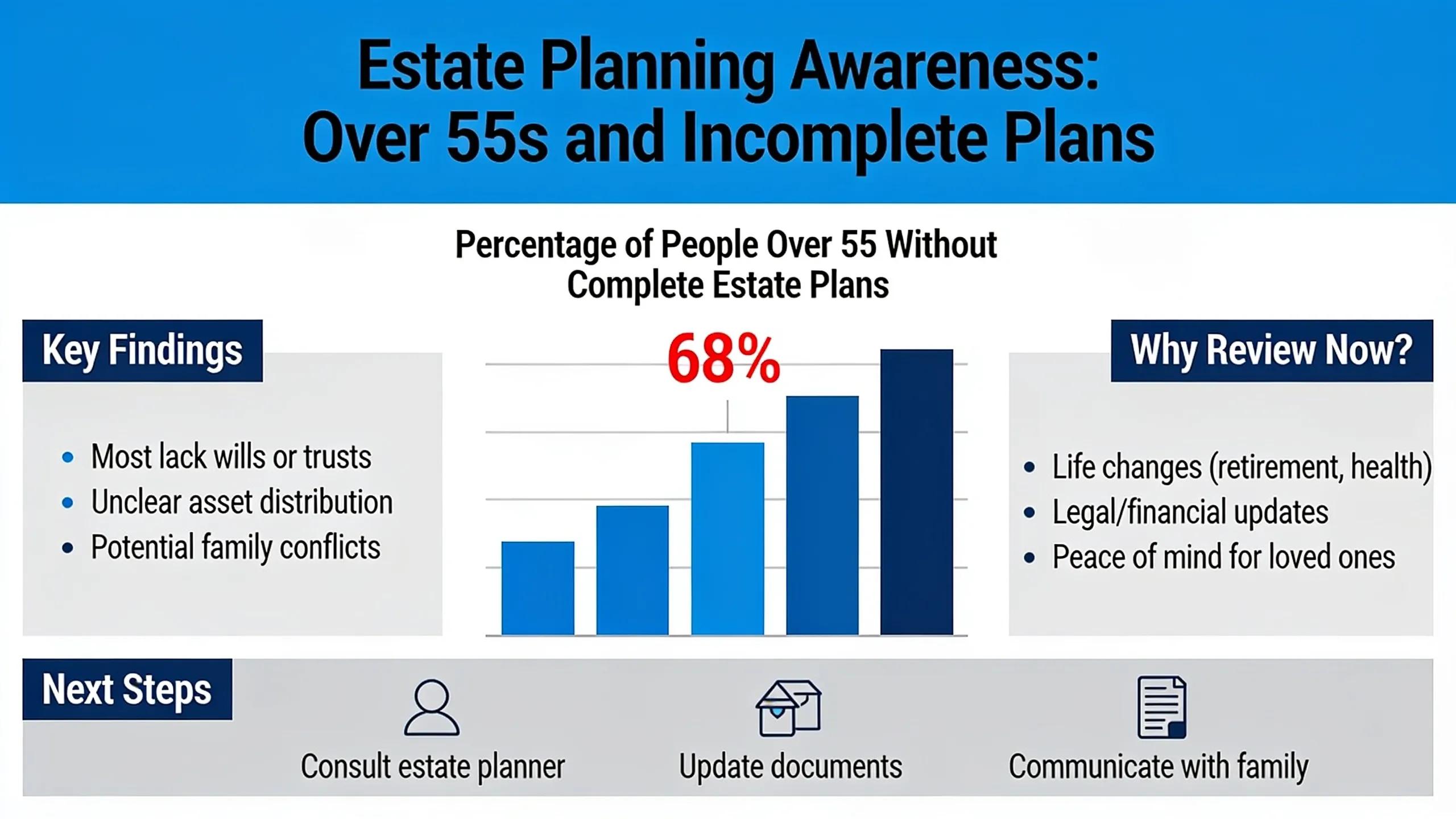
Correcting will mistakes starts with a full document review, not guesswork. Only a modest share of Americans age 55 and over actually have a complete estate plan in place—a will, financial power of attorney, healthcare power of attorney, and advance directive, all covered. That gap is exactly why so many families now find themselves combing through an aging parent’s paperwork looking for errors—it’s become a normal part of caring for them, not a rare emergency.
Fixing outdated or flawed language follows a set order:
- Pull every existing document and check the execution date against major life events.
- List specific problems: missing signatures, outdated beneficiaries, unclear asset descriptions.
- Schedule a consultation to discuss findings before drafting changes.
- Draft and properly execute updated language under attorney supervision.
How often should a will get reviewed?
Family circumstances shift all the time, so a plan that once felt finished still deserves a periodic second look. cite-1 Marriages, births, deaths, and moves can each leave a gap worth catching.
What happens if errors go unresolved?
Left unresolved, the severity of the consequences depends on the error. A defect that voids execution entirely — a missing signature or improper witnessing — leaves a family in the same spot as having no will at all: Alabama’s intestate succession laws step in and decide who inherits, with no say from family members. Lesser errors, like an outdated beneficiary or unclear asset description, are more likely to spark disputes among heirs or a contested probate rather than wipe out the will altogether — but either way, the problem rarely resolves itself. cite-2
A free telephone consultation gives prospective clients a chance to discuss their estate error correction concerns before deciding on the right strategy to fix their will.

Reviewing an existing will typically turns up the same handful of problems:
- Outdated beneficiary designations — naming an ex-spouse, a deceased relative, or an heir who no longer reflects the testator’s current wishes.
- Missing or improper signatures — a will lacking the testator’s signature or the required witness signatures can be ruled invalid entirely.
- Improper witnessing — skipping Alabama’s witnessing formalities can void the whole document, not just the affected clause.
- Unclear or ambiguous asset descriptions — vague language about who receives which property invites disputes among heirs.
- Only one named executor — many wills fail to name at least two executors, leaving no backup if the first can’t or won’t serve.
- Missing or unclear medical power of attorney — without one, no single person has clear authority over medical decisions.
- Outdated addresses and personal details — names, addresses, or family details that no longer match current circumstances.
- Provisions that no longer reflect family structure — language drafted years ago that was never updated after a marriage, birth, death, or move.
What Are The Steps To Correct Errors?
Correcting will mistakes starts with confirming the testator’s legal capacity, then working through a clear sequence: review, consultation, and repair. Skip a step, and families risk a lengthy probate process, disputes among heirs, or property ending up with the wrong people. Following a clear procedure keeps the correction efficient and legally sound.
- Confirm testamentary capacity. Determine whether the person who signed the original will is still living and mentally competent to make changes. A testator with capacity can fix errors through a codicil (a formal amendment) or by executing an entirely new will.
- Audit the existing plan. Pull the current will, powers of attorney, and any trust documents. Check names, asset descriptions, and beneficiary designations against present circumstances.
- Flag suspected problems. Note outdated addresses, missing signatures, ambiguous language, or provisions that no longer reflect family structure.
- Bring in an experienced attorney. Lawyers who have spent decades revising local families’ plans catch errors a layperson typically overlooks.
- Choose an execution method. Many firms now handle error correction estate work through virtual, attorney-guided sessions, offering the same guidance as an in-office meeting.
- Execute and store the corrected document. Sign updated pages properly, witness them as required, and store the corrected version somewhere heirs can locate it.
Can a Living Testator Simply Fix Their Own Mistakes?
Yes. A living testator with full mental capacity has straightforward options to fix will errors—signing a codicil or drafting a replacement will resolves most problems without ever going to court.
What Happens If the Errors Are Left Alone?
Unresolved errors rarely stay small. Left alone, they tend to spark drawn-out probate proceedings, family conflict, and assets ending up in the wrong hands, so correcting them promptly is almost always the safer path.
What Happens If Errors Surface After Death?
Once a testator has died, the options narrow sharply. Correction methods split into two paths: fixes made while someone is still living, and fixes attempted only after death, once the one person who could clarify their true intent is gone. Families going through an aging parent’s paperwork often find the error too late for the easier path.
Can a will still be fixed after the person has died?
Limited remedies exist, but none of them replace catching the problem early. Surviving family members typically have to petition a probate court, present evidence of the testator’s actual intent, and hope a judge agrees. That kind of error correction estate process costs time, money, and family goodwill — all things an earlier review could have spared them.
Two errors surface most often in outdated Alabama documents:
- Missing or unclear medical power of attorney, which controls decisions over medical interventions
- Outdated beneficiary or executor names that no longer match the family situation
Ladd Firm has served Mobile and Baldwin County families since 1995, and these gaps show up again and again. The costliest mistake usually isn’t the drafting error itself — it’s putting off the review that would have caught it.
Estate documents shape what happens to your family, so getting the details right matters from the start. Correcting mistakes promptly — whether through a codicil, a restatement, or a full revision — protects your wishes and heads off costly disputes down the road. It’s worth doing carefully, with an attorney who knows the requirements. Taking the time now to fix errors is one more way of caring for the people you love.
FAQ
How do you fix mistakes in an existing will?
Sign a codicil for minor changes, or draft an entirely new will to revoke the old one. Either way, it needs proper witnessing and signatures that meet Alabama’s legal requirements.


